



Today, the sound of war isn’t the terrible rumble of a tank or a clattering Kalashnikov. It is the buzz of a drone. Death comes from above in 2026; uncrewed, unafraid and uncomplicated. Aerial warfare, prohibitively expensive since its introduction in the 20th century, is now globally accessible and affordable. This summer, authorities in North America are asking a new question: how do you prevent this threat from leaving the battlefield and entering the soccer pitch?
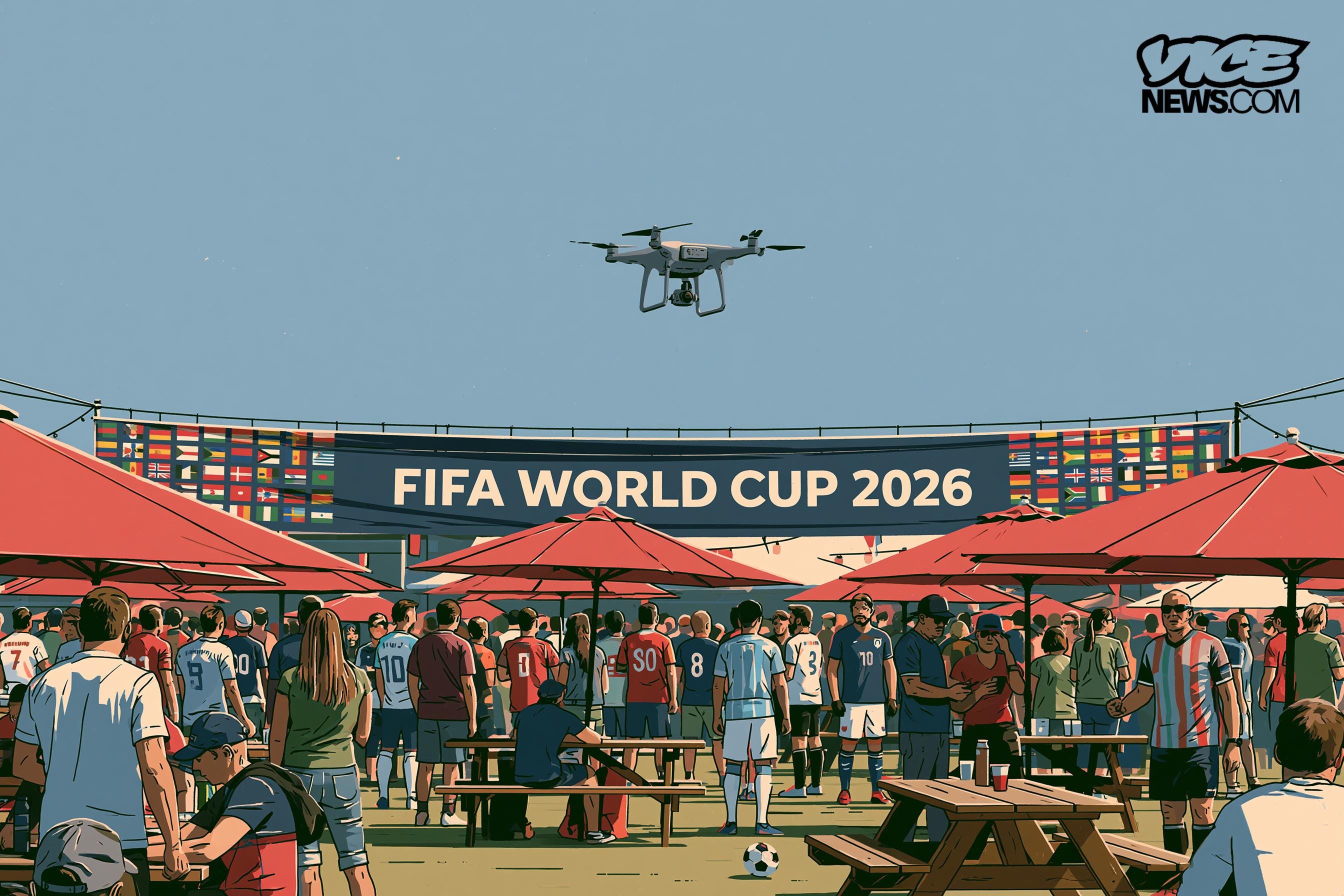
As I write, the World Cup is in full swing and for the first time in years it feels like the planet is unified in watching something joyful. But the fear in defense circles is that drones could be used by lone wolves, criminal organizations, or terrorist entities to target fans, players and officials at the largest sporting event on Earth.
“We should be careful not to mistake the absence so far of successful attacks on venues like the World Cup for the absence of threats,” warns Henry Ziemer, a fellow with the Americas Program at the Center for Strategic and International Studies in DC.
It is no surprise that counter-drone technology has been at the forefront of World Cup security operations. Across Mexico, the US and Canada, huge crowds are gathered in stadiums and other venues for the month-long tournament. At a time when Ukraine can successfully use drones to attack an oil refinery close to Moscow, how exactly do you protect yourself from drones when even Putin seems unable to?
The explosion of counter-drone technology
Nowadays, defense companies are constantly thinking of new platforms and systems to neutralize drones on the battlefield. “Defense expos” like Modern Day Marine and the Association of the United States Army, feature booths where defense industries regularly show off the latest counter-UAV technologies.
These systems include the SMASH 2000 by Smartshooter, which is essentially a little computer and target system that can be installed on a rifle for a dismounted soldier to track and shoot at drones. Another option is Leonidas, produced by Epirus, a high-powered microwave gun. Remote weapon systems, like those developed by AimLock or Kongsberg, can also track and neutralize incoming drone threats. And we should not forget the futuristic-looking jamming rifles, like the aptly named Dronekiller, produced by IXI.
Meanwhile, the Utah-based company Fortem Technologies announced in February a “multimillion-dollar order to protect U.S. venues.” Specifically, the company is supplying its DroneHunter, a rotary-wing drone that shoots a net to trap and take down hostile drones.
Besides the Fortem contract, little has been disclosed about which specific systems the three host nations are using. However, militaries understand that there is not one single platform or system that can effectively protect troops, vehicles, or facilities from all drone threats. A “multi-layered approach” with various systems working together is the rational and ideal strategy, and it is most likely what is occurring at the World Cup.
After the tournament, Ziemer wonders “whether the kinds of countermeasures and best practices used for the World Cup can be deployed at scale for lower-profile events,” such as local sports games or political rallies “that could represent softer targets for violent non-state actors.”
Policing Drones
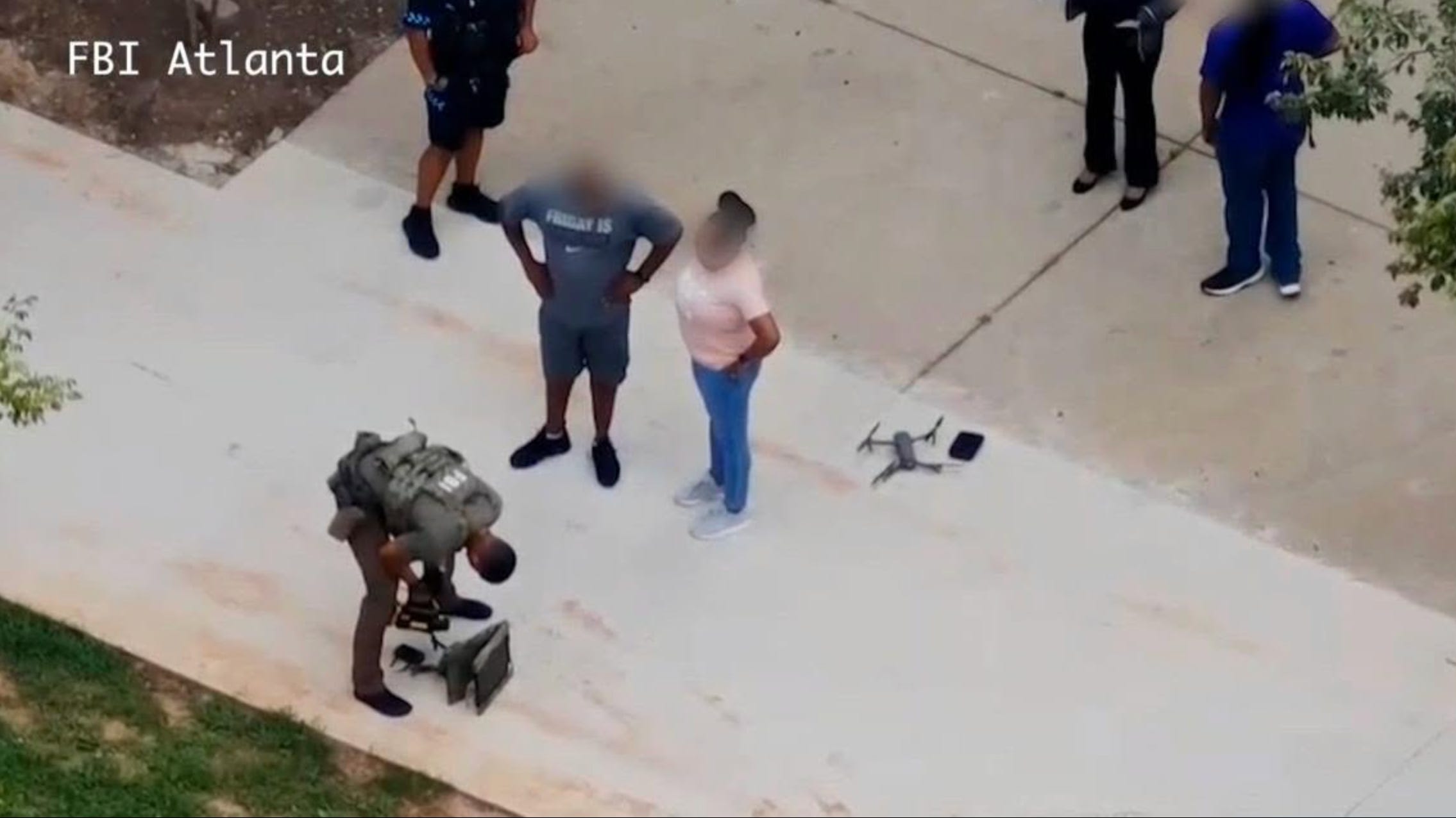
The sky above World Cup stadiums has become militarized, as policed as an airport or a national border, with authorities declaring them no-fly zones and handing out severe penalties. Though there is no suggestion their motives were violent, a Honduran national was arrested in Dallas for flying an unregistered drone over a match, and faces up to three years in prison, while a Mexican national was also detained in Atlanta. So far, more than 300 drones have been intercepted across the US, and law enforcement agencies, including the FBI, have announced many arrests. Eleven drones were seized and four people arrested at Seattle Stadium during the US-Australia game.

In the US, during match days at any of the 11 venues, aircraft (including drones) are not allowed within a three-mile radius of the stadiums and up to 3,000 feet above ground level. Drones are also banned at Cup-related fan events.
Mexican authorities are also taking the situation seriously. Last week, an unidentified drone flew during a private training session of the South Korean squad in Guadalajara. According to reports, the drone was neutralized by jamming equipment operated by the Mexican Army and the National Guard. Mexican officials explained that the South Korean players were never in any danger, and that the drone belonged to a “private enterprise” seeking footage of the training. Other drones have been neutralized in Monterrey and Mexico City.
Drones and Cartels
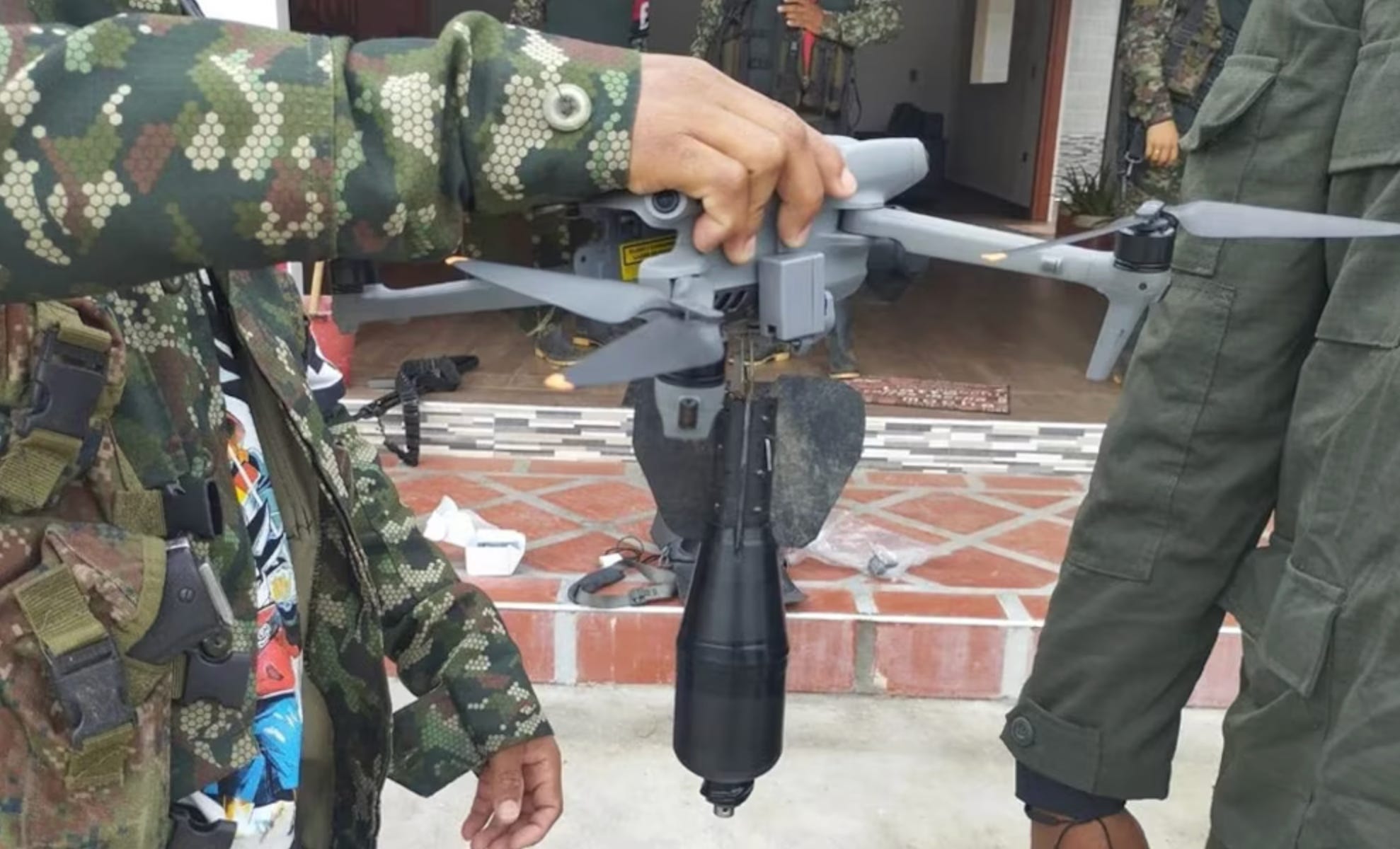
Drones operated by narco-insurgents and criminals will keep proliferating across Latin American skies. On 15 June, just days after the World Cup commenced, the armed forces of Colombia carried out an operation in the Cauca department against the narco-insurgent bloc “Jaime Martínez,” a dissident faction of the FARC. Colombian forces reportedly found a vast weapons cache, and images released showed a fleet of 13 drones of various models.
It is understandable to be concerned about drones being operated by criminal networks, particularly in Latin America. Regional criminals are eager adopters of new technologies that can help their operations.
Case in point: Latin American criminals, gang members, illegal miners, drug-traffickers, and insurgents operate modern and easily accessible technologies, like mobile phones, laptops, and USB sticks (not to mention the infamous South American narco-submarine). Moreover, I have argued that Starlink systems are becoming increasingly popular because they provide reliable, fast satellite communications to criminals operating in isolated regions (or even in prisons).
In other words, the commonly known narco-drones are not an aberration, but the natural next step in the evolution of the arsenals of Latin American criminals and terrorist organizations.
Moreover, narco-drones are evolving quickly. Commercially, easily accessible drones like DJI are quite common. They are used by criminals for surveillance operations to monitor potential targets; narco-insurgents and illegal miners also operate them to search for military or police patrols. However, the drones have other uses. They can carry growing quantities of cocaine and other narcotics.
To make the situation worse, in Brazil, Colombia, and Mexico, cartels, narco-insurgents, and gangs have developed drones that transport lethal payloads. The integration is crude but effective: a grenade or improvised explosive device is attached to a rotary drone, which is then flown by the operator to a target. Now you have a narco-drone with a lethal payload. In recent years, these lethal drones have dropped explosives on civilians, police forces, military personnel, civilian agencies, and criminal rivals.
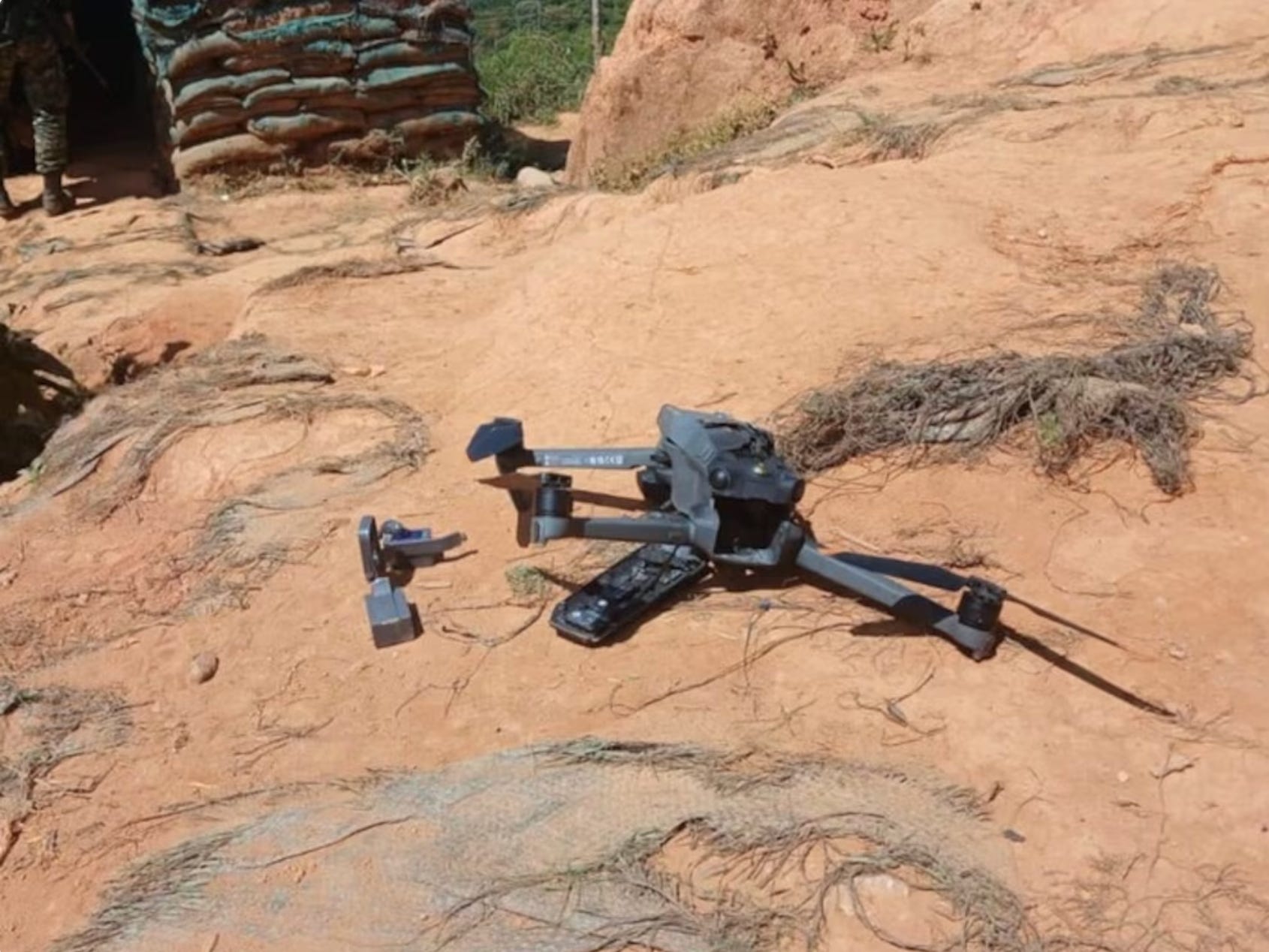
Countries are starting to invest in counter-UAS technologies. Colombia, for example, wants to create a national counter-drone shield. On the other hand, Mexico, which Ziemer explains, faces “the most acute domestic drone threat from the cartels… has been slow to roll out a national counter-strategy or task force.”
Hopefully, the ongoing World Cup will conclude on 19 July with no violence. However, on 20 July, the threat of the narco-drone will continue to be very much alive in Mexico, the US, throughout Latin America and beyond.
In partnership with Adobe Acrobat, we’re opening up our reporting. Using PDF Spaces, you can dig into original documents, research, and source material—so you can follow the story the same way we do.