



In this episode of VICE Inside, Shane Smith sits down with former VICE producer Alex Waterfield to revisit one of the most consequential stories VICE ever covered: China's militarization of the South China Sea.
Waterfield shares the behind-the-scenes of his reporting trip, from chartering a plane to try and catch a glimpse of China's network of artificial islands, to receiving warnings from Chinese forces to get out of their airspace…or else.
Shane Smith:
I remember you rented a plane so that Izzy (Isobel Yeung) and you could go look at these Chinese islands. For people who don’t know, China had these coral reefs that they dredged and made into islands. They made them into high-tech air and naval bases that you’re not allowed to go near.
So you chartered a plane and nearly got shot at by the Chinese Navy. What happened there?
Alex:
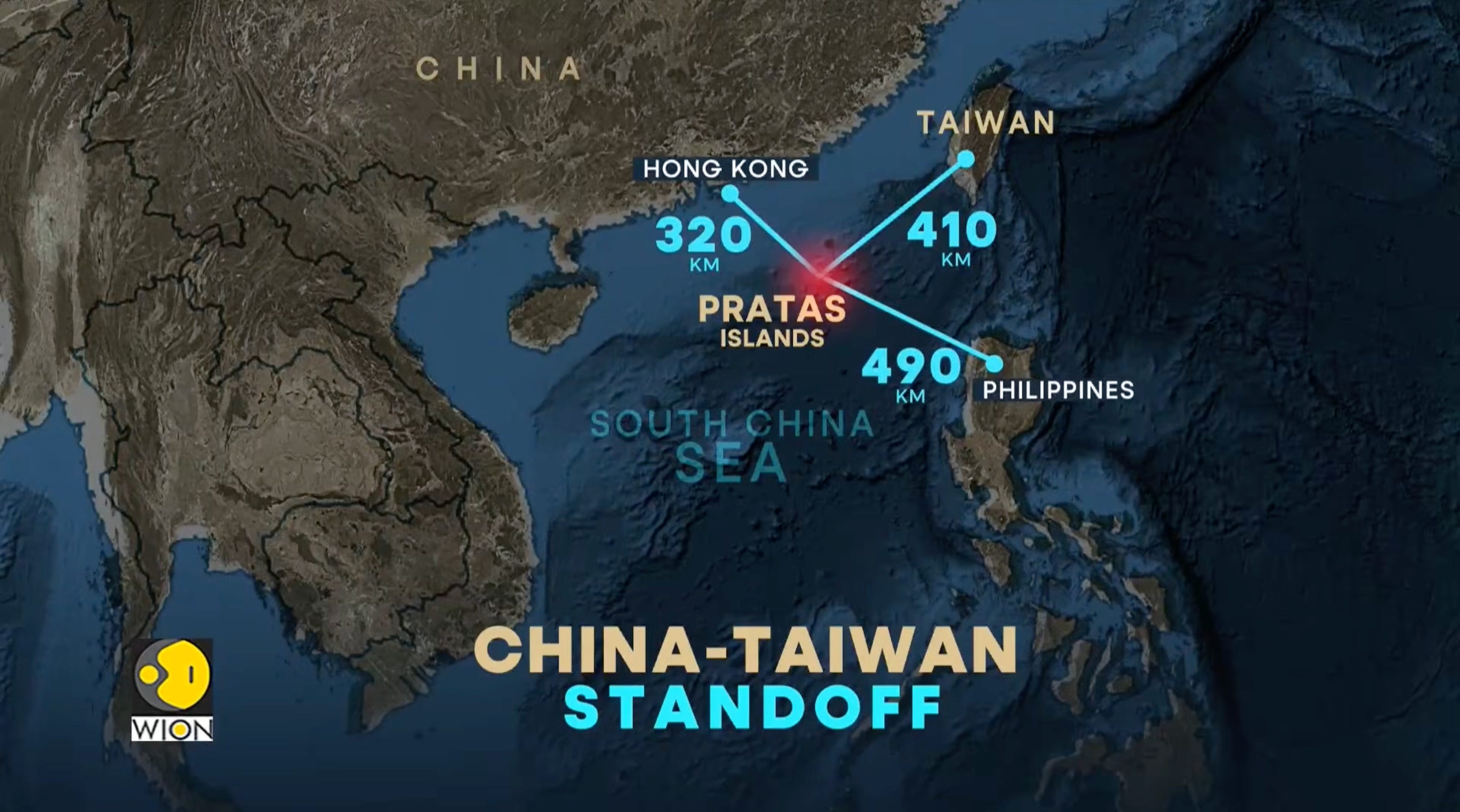
The South China Sea is one of the most important bodies of water in the world. Three trillion dollars worth of shipping goes through there every year. And it’s used by China, Taiwan, Japan, Korea, Vietnam, Malaysia, Philippines. Of course, the U.S. also has strong opinions about what should be going over there.
Alex:
So it’s this place where all these countries and priorities are colliding. What we wanted to do was explore what is actually going on there from three different perspectives: the American perspective, the Filipino perspective, and the Chinese perspective.
In the Philippines, China says the South China Sea belongs to them- which according to the UN is not a thing because nobody can own bodies of water; oceans are for everybody. But China says: ‘Nope, this is all ours. Everything happening in here belongs to us.’
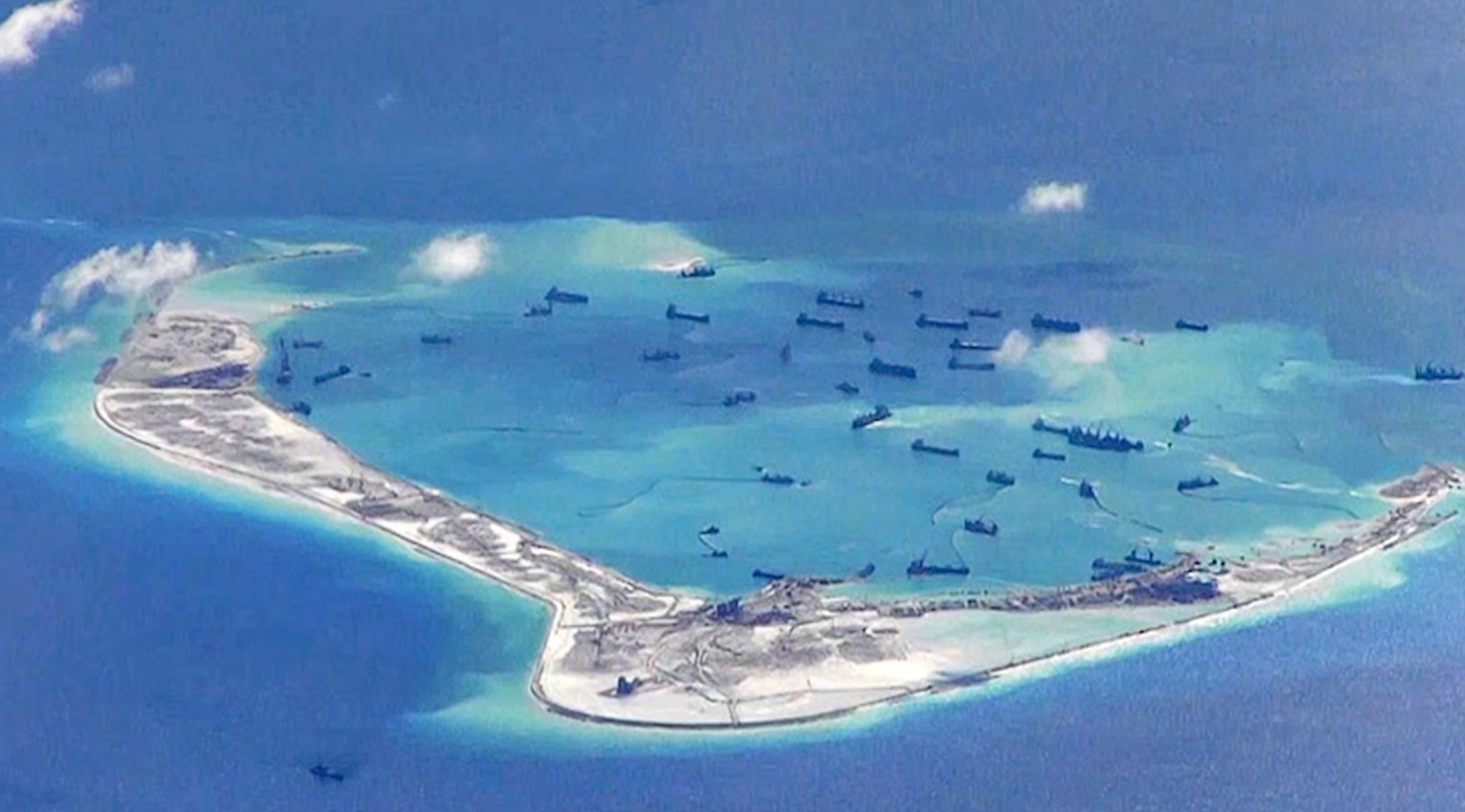
So what they did to strengthen their claim was just start building artificial islands. They turned these coral reefs and little sand spits into islands. They dredged sand and turned them into giant military bases. ‘All right, if we can’t own the ocean, we’ll just build land there that didn’t exist before then we claim that that’s ours.’
So they’re building these islands across the entire South China Sea, very close to the Philippines, where the Filipinos also own plenty of the islands. It’s a David and Goliath story.
Shane:
I like the footage of the Filipino islands, which are sort of ramshackle shacks. Then the Chinese islands, which you can’t get as close to, are sort of high-tech military bases.
What happened when you chartered the plane?
Alex:
Yeah, we wanted to see these artificial islands. Nobody had really gotten any footage of them before. Again, that’s why VICE was amazing. We were going to be the first people to get footage from the sky of these islands that the Chinese were building.
So we chartered a plane, started flying over the islands.
Alex:
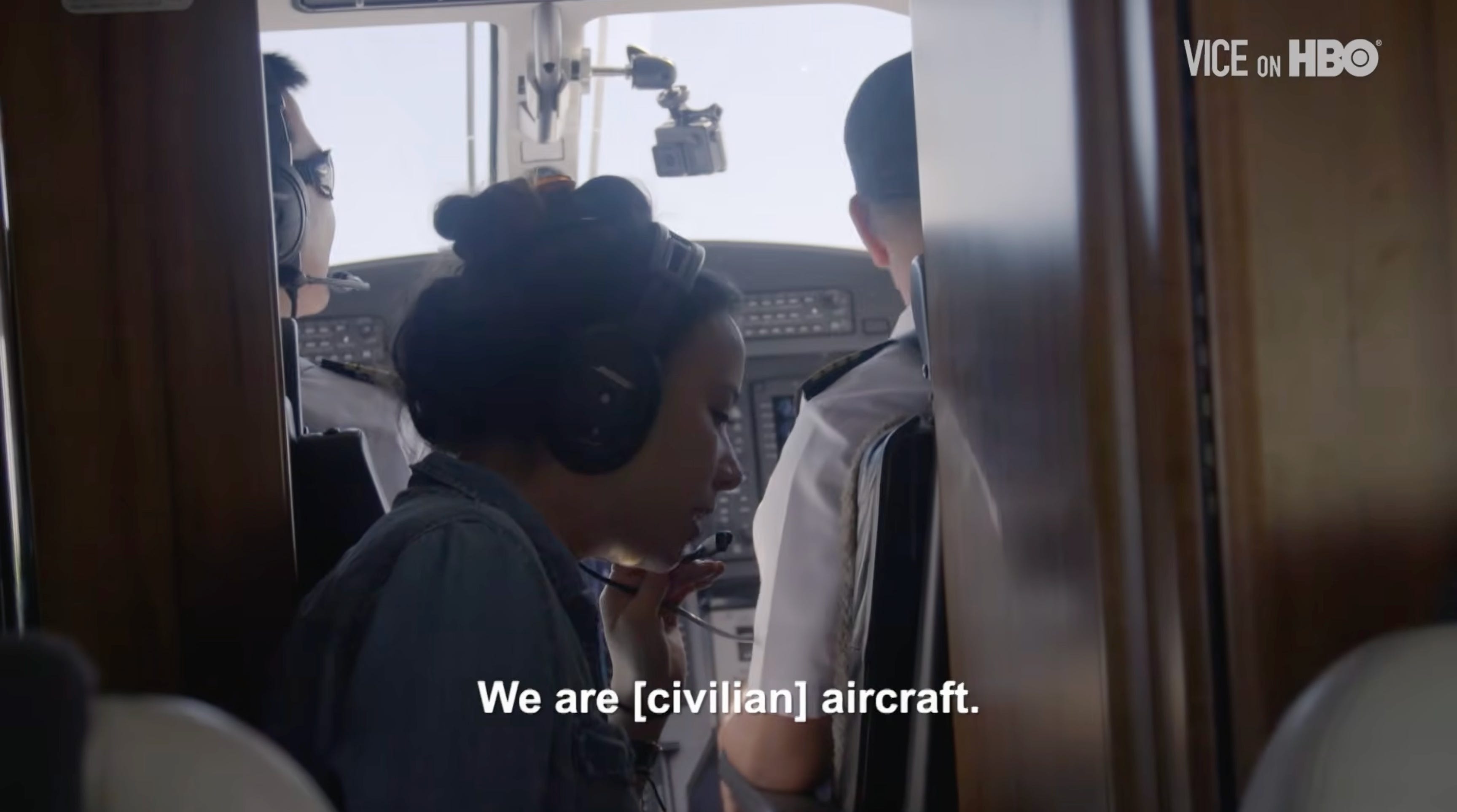
As we’re getting closer, we get a message on the radio, on the airplane saying, ‘Turn around now, you’re in Chinese airspace.’ Which is basically, ‘If you don’t turn around, we’re going to blow you out.’
Isobel, the correspondent, of course, did not want to let it go that easily. She started confronting them over the intercom.
Shane:
She’s tough. She’s tough.
Alex:
She was like, ‘Well, this is actually international airspace because we’re over international waters.’ The poor guy wasn’t an international waters expert.
Shane
The poor guy was also your Filipino pilot. Because he was like, ‘We’re getting out of here.’ And to Izzy: ‘Tell them again that we’re leaving.’
Alex:
Yeah, at a certain point, Izzy was trying to have a deep conversation with this Chinese Navy soldier, and the pilots were like, ‘No, we’re getting out of here.’
Shane and Alex also reflect on the surprising aftermath of the film, including HBO’s decision not to air the documentary, and what it revealed about China’s growing influence around the world.
Shane:
One of the reasons why it’s maybe not one of our most famous pieces, I believe, is because it’s the only piece ever that HBO pulled. We went, we did the exercises with the Marines and the Filipino military. We did the aforementioned aircraft carriers. You guys nearly got shot out of the sky when you chartered a plane. By God, what a budget HBO had. Chartered a plane to go over the islands. You went to China. We got experts.
Because China exerts so much political power, HBO got scared and said, ‘Let’s pull it.’ I think it was because of CNN, as well. I think that was the first time they did that with us and it was devastating because I loved it.
Alex:
That was bummer. We put the whole thing together, it was a 40 minute special, and a couple of days before it’s going on TV, all of the sudden, it’s not.
I can’t say for sure what what went down, but I remember Googling ‘HBO China’ that day and it seeing ‘HBO launches in China in X days.’
Along the way, they revisit other unforgettable stories from the region, from remote Bitcoin mining operations to the strange realities of reporting inside a rapidly changing superpower.
Don’t miss this conversation about honest journalism, great-power competition, and why many strategists believe the South China Sea could become the center of the next major global conflict.


